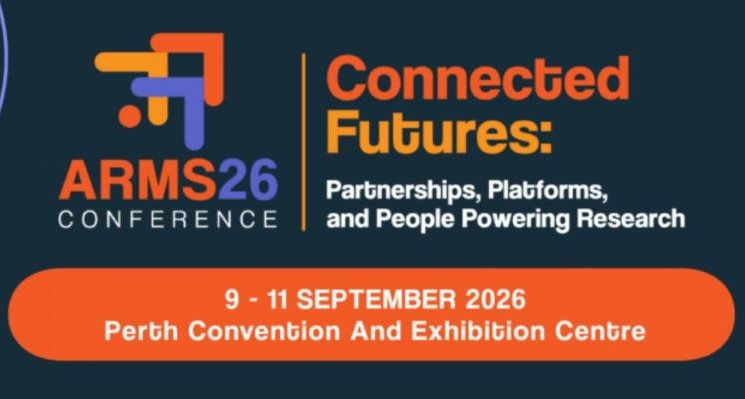
The Business and Operations Manager is bringing new ideas and opportunities back to the Training Centre following participation in the 2026 Australasian Research Management Society (ARMS) Conference in Boorloo Perth. Held under the theme Connected Futures: Partnerships, Platforms and People Powering Research, the conference explored emerging approaches to research collaboration, workforce development, Indigenous engagement, governance, and research impact.
A key focus throughout the conference was strengthening industry-engaged doctoral training. Universities from across Australasia showcased successful models that integrate industry internships, collaborative supervision, mentoring, challenge-based learning, and co-designed research projects into PhD programs. Presenters highlighted how these approaches can improve graduate employability, enhance research translation, and deliver greater benefits for industry partners. One important takeaway was the value of tailoring industry internships to the individual PhD candidate and partner organisation, ensuring projects deliver meaningful outcomes for all involved.
The conference also placed significant emphasis on Indigenous-led research and Indigenous Data Sovereignty. Discussions reinforced the importance of recognising Indigenous communities as leaders and decision-makers in research, with governance arrangements that support self-determination, community control of data, and long-term partnerships. Consistently reinforced throughout the conference, was the importance of avoiding extractive research and to follow the principle of conducting research "with communities, not to communities".
These discussions strongly resonated with the Training Centre’s commitment to working alongside Traditional Owners in the co-design, governance, and delivery of archaeological research in the resources sector.
Research integrity, trust, governance, and responsible research practice were also prominent themes. Presenters examined growing expectations around accountability, transparency, ethical conduct, and data governance in increasingly complex research environments. For the Training Centre these discussions reinforced the importance of strong governance frameworks and responsible stewardship of cultural heritage information, particularly when working within sensitive archaeological and cultural heritage contexts.
Participation in ARMS 2026 has provided valuable perspectives that align closely with the Training Centre's purpose to advance archaeological research, strengthen industry partnerships, support Indigenous leadership, and develop the next generation of researchers. The conference reaffirmed the importance of collaboration, responsible research practices, and people-centred approaches in creating meaningful research impact.